
What Happens to Websites That Never Get Updated?
Understanding the real consequences of website neglect and why regular maintenance matters for UK businesses. Have you ever clicked on a website only to find broken links, outdated information, or pages that take forever to load? You’ve just encountered a website that’s been left to fend for itself – and the consequences are more serious…
Understanding the real consequences of website neglect and why regular maintenance matters for UK businesses

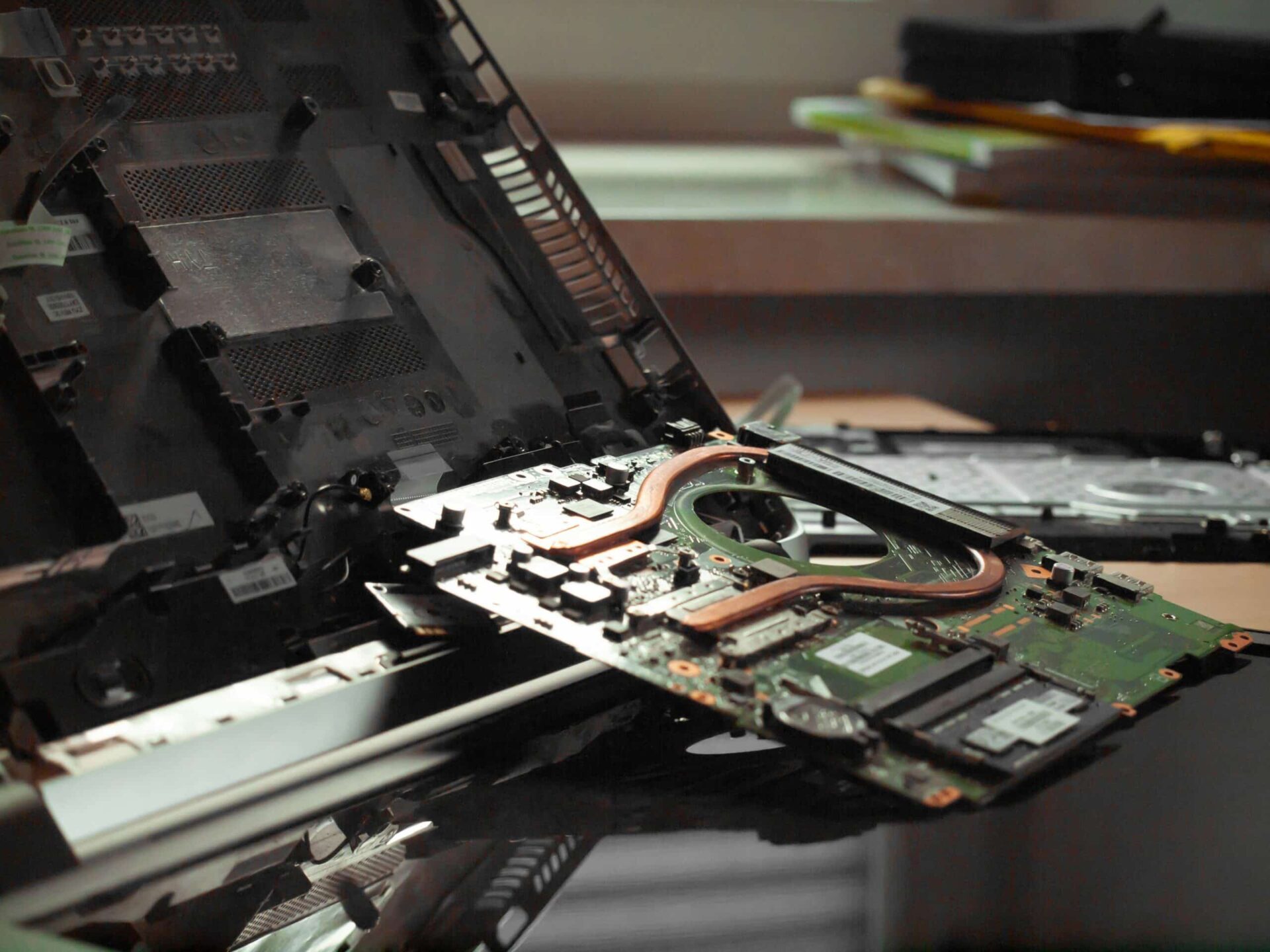
Understanding the real consequences of website neglect and why regular maintenance matters for UK businesses
Have you ever clicked on a website only to find broken links, outdated information, or pages that take forever to load? You've just encountered a website that's been left to fend for itself – and the consequences are more serious than most business owners realise.
The Slow Decline: What Actually Happens Over Time
When websites go without updates, they don't simply stay the same – they actively deteriorate. It's rather like owning a car but never taking it for an MOT or service. At first, everything seems fine, but gradually, problems accumulate until something critical fails.
Security Becomes a Sitting Duck
A comprehensive study analysing over 5.6 million websites found that 95% were running on outdated software with known vulnerabilities. That's not a typo – nearly every website studied had security holes that cybercriminals could exploit.
Here's what's particularly alarming: by late 2024, the average time for exploitation after a vulnerability's disclosure had dropped to just five days. This means hackers are moving faster than ever to exploit security weaknesses in outdated websites.
Real consequences include:
- Malware infections that can steal customer data
- Ransomware attacks that lock you out of your own website
- Your site being used to send spam or host illegal content
- Complete loss of customer trust and potential legal liability
Performance Grinds to a Halt
Outdated websites become progressively slower, creating a frustrating experience that drives visitors away. Outdated plugins and themes can make your site fall behind the latest optimisation techniques, whilst poorly coded or outdated plugins can significantly slow down your website.
The speed impact includes:
- Longer loading times as old code becomes inefficient
- Compatibility issues between outdated components
- Increased server resource consumption
- Mobile performance degradation
Search Engine Penalties
Google and other search engines actively penalise websites with poor security, slow loading times, and outdated technology. Major search engines have made SSL/TLS protection a ranking factor for search engine optimisation, and sites without proper security certificates face ranking penalties.
SEO consequences include:
- Lower search rankings as competitors with updated sites overtake you
- Reduced organic traffic and visibility
- Penalties for broken links and poor user experience
- Loss of mobile search rankings due to compatibility issues
What Business Owners Often Don't Realise
Many UK business owners assume that once their website is built, it can largely look after itself. This misconception stems from comparing websites to printed materials like brochures – but websites are more like living systems that require ongoing care.
The hidden reality:
- WordPress core releases security updates monthly
- Popular plugins may update several times per month
- Hosting environments constantly evolve and improve
- Security threats emerge and evolve daily
As security experts warn, due to the lack of updates and update management, many software components and underlying systems become vulnerable over time, with increasing criticality as time passes by.
The True Cost of Neglect
Whilst regular maintenance might seem like an unnecessary expense, the cost of neglect far exceeds preventive care. A cybersecurity attack results in an average £2.6 million in damage – a figure that would cover decades of proper website maintenance.
Beyond financial costs:
- Customer trust, once lost, takes years to rebuild
- Business interruption during crisis recovery
- Staff time diverted to emergency fixes
- Lost sales during downtime
- Regulatory compliance issues for data breaches
Signs Your Website Needs Immediate Attention
- Error messages appearing on any pages
- Slow loading times, especially on mobile devices
- Security warnings in browsers
- Contact forms not delivering enquiries
- Outdated contact information or pricing
- Broken links or missing images
- Admin dashboard showing available updates
Prevention: Better Than the Cure
The good news? All of these problems are entirely preventable with regular maintenance. Just as you wouldn't ignore your car's service schedule, your website needs consistent care to perform reliably.
Essential maintenance includes:
- Regular security updates for WordPress core, themes, and plugins
- Performance monitoring and optimisation
- Content freshness and accuracy checks
- Backup verification
- Security scanning and threat monitoring
At Lightly Salted, we've seen countless businesses discover these problems the hard way. That's why our maintenance services focus on prevention rather than crisis management. We monitor your site's health continuously, apply updates safely, and address issues before they impact your customers.
Your website is a crucial business asset – one that works 24/7 to represent your company and serve your customers. Protecting that investment through regular maintenance isn't just good practice; it's essential for sustainable business growth.
Frequently Asked Questions
How often should I update my website?
WordPress core, themes, and plugins should be updated as soon as new versions are released – typically monthly for WordPress core and more frequently for popular plugins. Content should be reviewed quarterly at minimum, with contact details and pricing checked monthly. The key is consistent, proactive maintenance rather than waiting for problems to appear.
Can I just ignore updates if my website seems to be working fine?
This is like ignoring your car's service schedule because it's still running. Security vulnerabilities are often exploited within days of disclosure, and outdated websites progressively slow down and become less secure. What appears "fine" today could become a major security breach or performance disaster tomorrow.
What's the difference between automatic updates and manual updates?
Automatic updates can handle routine security patches, but they shouldn't be relied upon exclusively. Manual oversight ensures updates don't break functionality and allows for proper testing. Many businesses use a hybrid approach – automatic security updates with manual updates for major versions and functionality changes, always with proper backups in place.
How much does website maintenance typically cost compared to fixing problems later?
Professional maintenance typically costs £35-£500 per month depending on your site's complexity and needs. Compare this to the average £2.6 million cost of a cyber attack, plus lost revenue during downtime, emergency developer fees, and reputation damage. Maintenance is always more cost-effective than crisis management.
Can I handle website maintenance myself, or do I need professional help?
Basic content updates can often be handled in-house, but technical maintenance requires expertise. Security updates, performance optimisation, and backup management involve risks that can break your site if done incorrectly. Most successful businesses find that professional maintenance frees them to focus on growth whilst ensuring their website remains secure and performant.
Conclusion
Your website is far more than a digital brochure – it's a living, breathing business asset that requires ongoing care to remain secure, fast, and effective. The evidence is clear: neglected websites don't simply stagnate; they actively deteriorate, becoming security liabilities and performance bottlenecks that can seriously damage your business.
The choice is straightforward. You can invest in regular, preventive maintenance that keeps your website healthy and your business protected, or you can roll the dice and hope nothing goes wrong. Given that 95% of websites run outdated software and cyber attacks cost an average of £2.6 million, hoping isn't much of a strategy.
At Lightly Salted, we believe your website should be working as hard for your business as you do. That's why we focus on proactive maintenance that prevents problems rather than reactive fixes that disrupt your operations. Because when your website is secure, fast, and reliable, you're free to focus on what matters most – growing your business.
Ready to protect your digital investment? Our comprehensive maintenance services ensure your website stays secure, fast, and reliable. Contact us today to learn how we can safeguard your online presence and support your business growth.
This article is part of our "Learn" series, helping UK business owners understand the fundamentals of digital success. For more insights on website hosting, security, and maintenance, explore our other guides.
Keep reading
Related articles

What Happens When Your SSL Certificate Expires?
11 July 2025 · 9 min read

What Is Website Hosting and Why Does It Matter for UK Businesses?
11 July 2025 · 8 min read

What Actually Happens When Someone Visits Your Website?
26 June 2025 · 8 min read
Get in touch
Ready to grow your business online?
Skip the forms. Have a real conversation with someone who can actually help.
— or —
24-hour response guarantee
We'll get back to you within one business day, every time.
No hard sell, ever
Just an honest conversation about whether we're the right fit.
Talk to the people who'll do the work
No account managers or middlemen. Meet your actual team.